
Property planning guide
Planning an Asphalt Overlay Without Overlooking the Base
Review base condition, finished elevations, transitions and traffic management before commercial resurfacing.
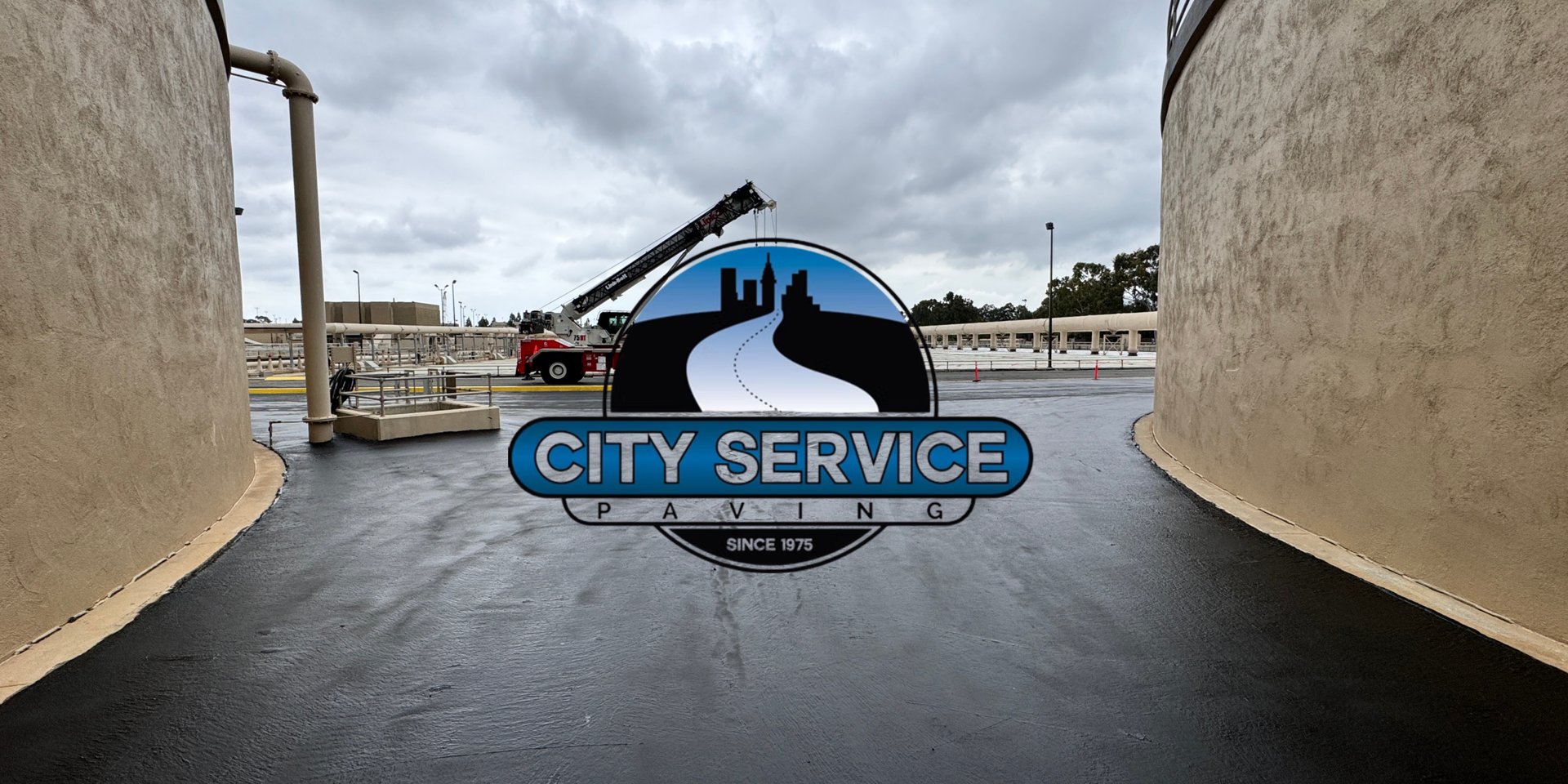
Determine whether the existing pavement can support it
An overlay adds a new asphalt layer after preparation. Its performance depends in part on the condition beneath that layer. Recurring potholes, movement and interconnected cracking should be investigated rather than simply covered.
Ask the estimator to distinguish surface wear from structural defects and identify the repairs required before paving. Where necessary, qualified design professionals can help evaluate loads, drainage and pavement sections.
Check elevations at every transition
Adding thickness changes finished elevations. Inspect gutters, drains, door thresholds, ramps, utility covers and property boundaries. The scope may need edge milling, adjustments or reconstruction to preserve workable transitions.
Accessible parking and routes deserve particular attention. An attractive new surface is not a substitute for verifying required slopes, dimensions and continuity with qualified personnel.
Make preparation explicit
A proposal should identify localized removals, base repairs, milling, cleaning, tack application and any specified interlayer. Paving fabric is not a universal cure for cracking; its suitability depends on the pavement and design.
Clarify the intended asphalt section and compaction requirements. Avoid comparing bids that use different preparation or thickness assumptions as if they describe the same work.
Plan paving and striping together
Schedule phases around tenant access, deliveries and emergency circulation. Consider where equipment will stage and how drivers will be kept out of active work zones. Final striping and signage are part of returning the site to useful operation.
Request written reopening instructions that reflect weather, material and loading conditions. Newly paved areas may require restrictions on heavy vehicles or concentrated turning even after ordinary traffic is allowed.
Define the handover
Document final quantities, agreed changes and remaining maintenance needs. Ask about care instructions and any project-specific warranty terms in the actual agreement; do not assume a universal warranty or service-life guarantee.
Discuss your property with the project contact
These guides provide planning information, not engineering, legal advice or a property-wide accessibility certification. Project requirements depend on inspection, approved specifications and applicable authorities.
Related planning guides
- Commercial Parking Lot Paving: A Planning Guide
- Asphalt Repair or Replacement: How to Compare Options
- Preparing a Commercial Property for Seal Coating
- HOA Slurry Seal: Scope, Closures and Resident Notices
- Accessible Parking and Striping: A Property Manager’s Checklist
- Commercial Concrete: Planning Sidewalks, Curbs and Pads